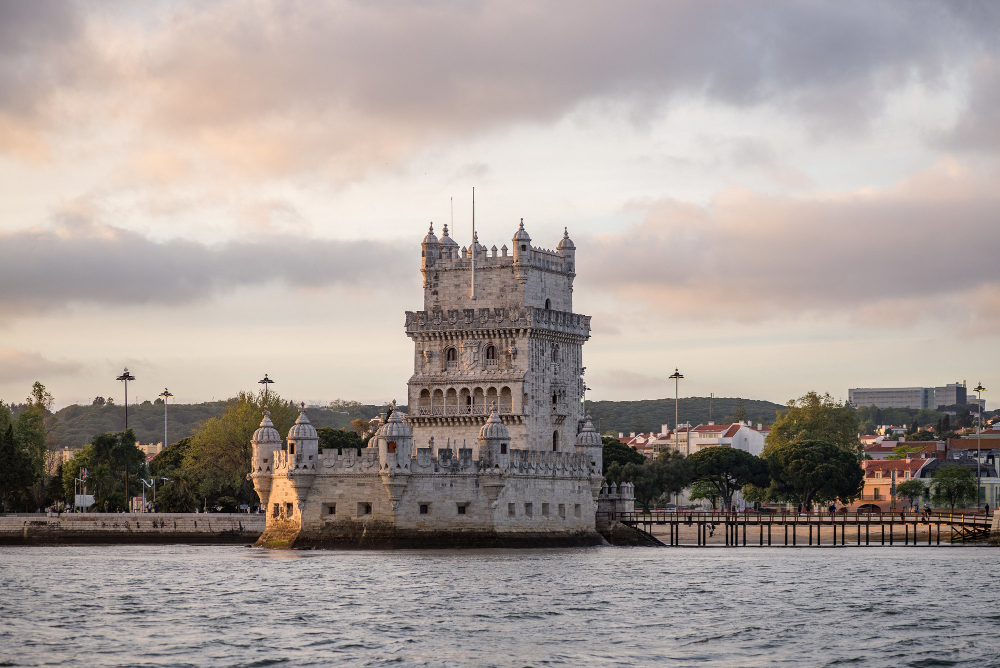
Belém tower

Sentinel of the Tagus since the 16th century
Exploration and Resilience

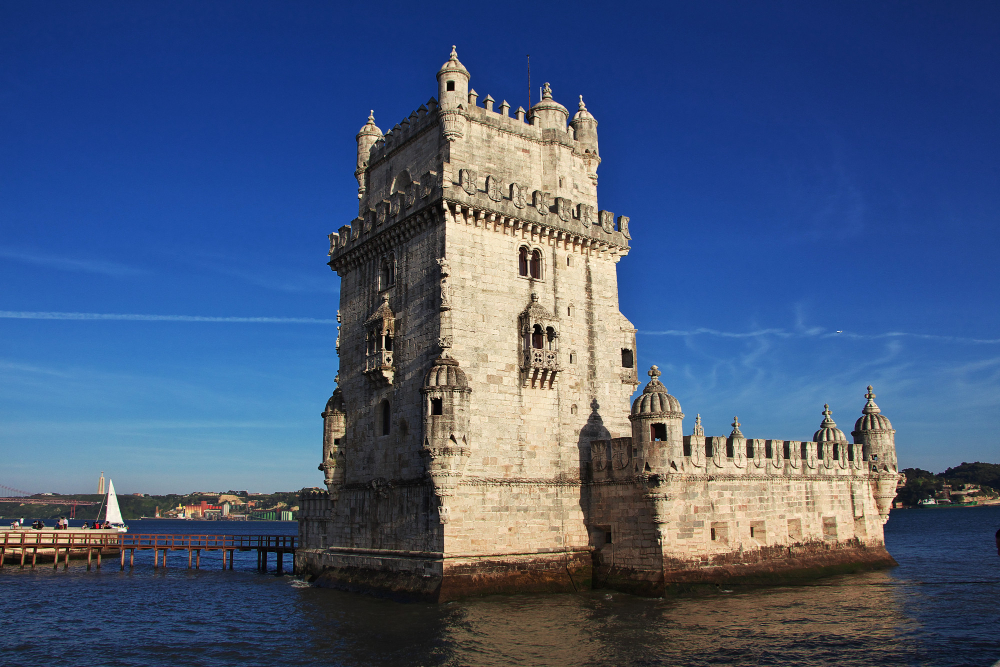
Standing proudly on the northern bank of the Tagus River, the Belém Tower has guarded Lisbon’s gateway to the Atlantic for over 500 years. A symbol of exploration and resilience, it tells the tale of Portugal’s Golden Age.
A Symbol of Discovery

Built between 1514 and 1519, the Belém Tower was part fortress, part ceremonial gateway. Commissioned by King Manuel I and designed by architect Francisco de Arruda, it embodies the unique Manueline style — a blend of Gothic, Moorish, and maritime influences.
 
Originally constructed on an island in the middle of the Tagus River, it welcomed explorers home from distant lands and projected Portugal’s maritime power to the world.

Did You Notice These?

Behind the limestone walls lie countless hidden stories — some architectural, others mythical.
 
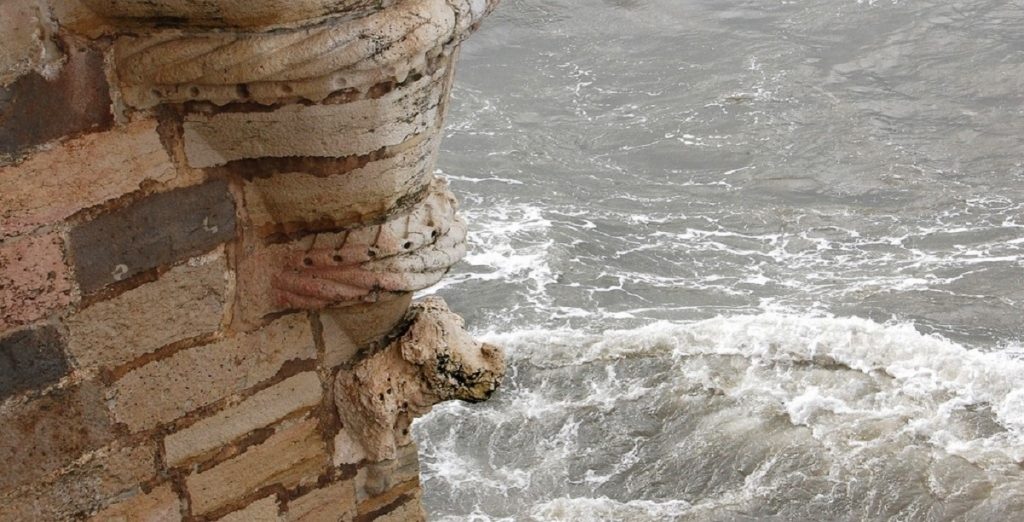
• A stone rhinoceros decorates the lower bastion — the first such depiction in European sculpture.  
• The delicate watchtowers are shaped like domes, reflecting Moorish influence and aesthetic.  
• The tower was once surrounded by water on all sides, before the riverbanks shifted after the 1755 earthquake.  
• Ropes, knots and armillary spheres carved into the façade celebrate Portugal’s Age of Discovery.

Did You Know?

The Belém Tower’s foundation was built using a technique called “pilações” — wooden stakes driven deep into the riverbed. Despite centuries of flooding, erosion and war, it still stands — a testament to Portugal’s enduring spirit.

Discover More Portuguese Tales

The Belém Tower is just one chapter in Portugal’s rich and timeless story.
From the hills of Sintra to the streets of Alfama, from the sweetness of Pastéis de Nata to the whispers of Fado — every tale reveals something magical.
Explore Portugal