Tram 28: A Timeless Ride Through Lisbon
Climbing hills, weaving through alleyways, and revealing stories with every turn — Tram 28 is more than transport. It’s a journey through the soul of the city.
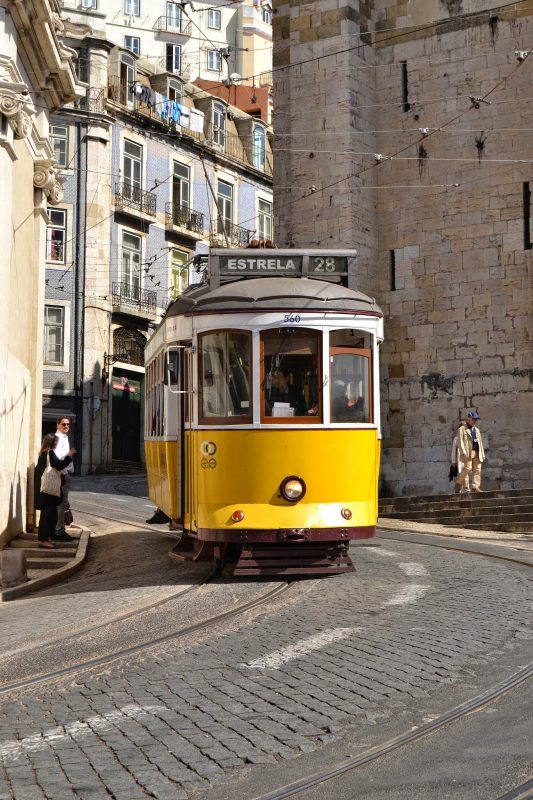
Few experiences feel as authentic in Lisbon as boarding the iconic yellow Tram 28. Since the early 20th century, it has travelled the city’s steep hills and narrow streets, offering passengers a front-row seat to centuries of history, culture, and everyday life. Its wooden interiors, screeching curves, and scenic route have made it a beloved symbol of the capital.
Lisbon’s tram system began in the 1870s with horse-drawn carriages. By 1901, electric trams took over, revolutionizing public transport in the city. Tram 28, or “Eléctrico 28,” became operational in the 1930s and continues to follow one of the most historic and picturesque routes, connecting Martim Moniz to Campo de Ourique.
Today, it stands as a living piece of Lisbon’s transport legacy.

From the busy heart of downtown to quiet, hilly neighborhoods, Tram 28’s path is a sightseeing dream. Along the way, it passes:
The majestic Sé Cathedral
The hills of Alfama
The elegant Chiado
The political centre in São Bento
The charming Estrela Basilica
Each stop tells a new chapter in Lisbon’s story, making every ride a moving postcard.
An Icon of Everyday Lisbon
Beyond its vintage charm and touristic fame, Tram 28 is still used daily by locals. It’s a reminder that Lisbon’s traditions remain in motion — blending past and present. Its image appears in art, souvenirs, and stories, and its bell still echoes through the city’s streets, just as it did nearly a century ago.
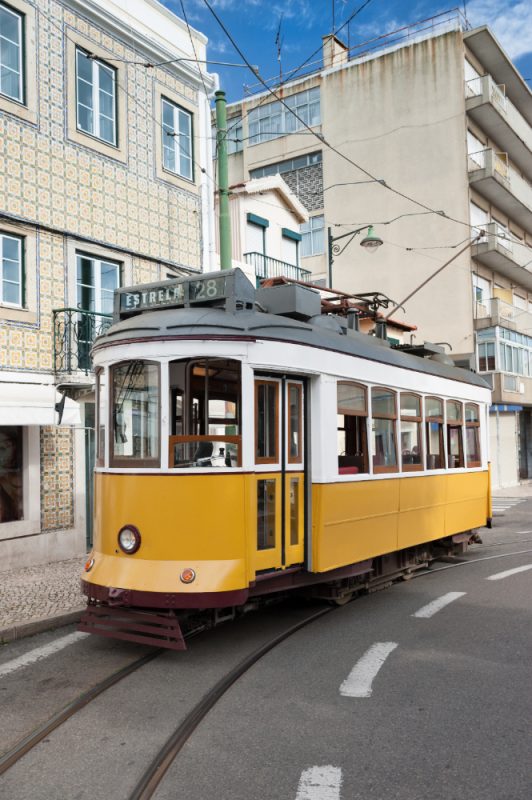
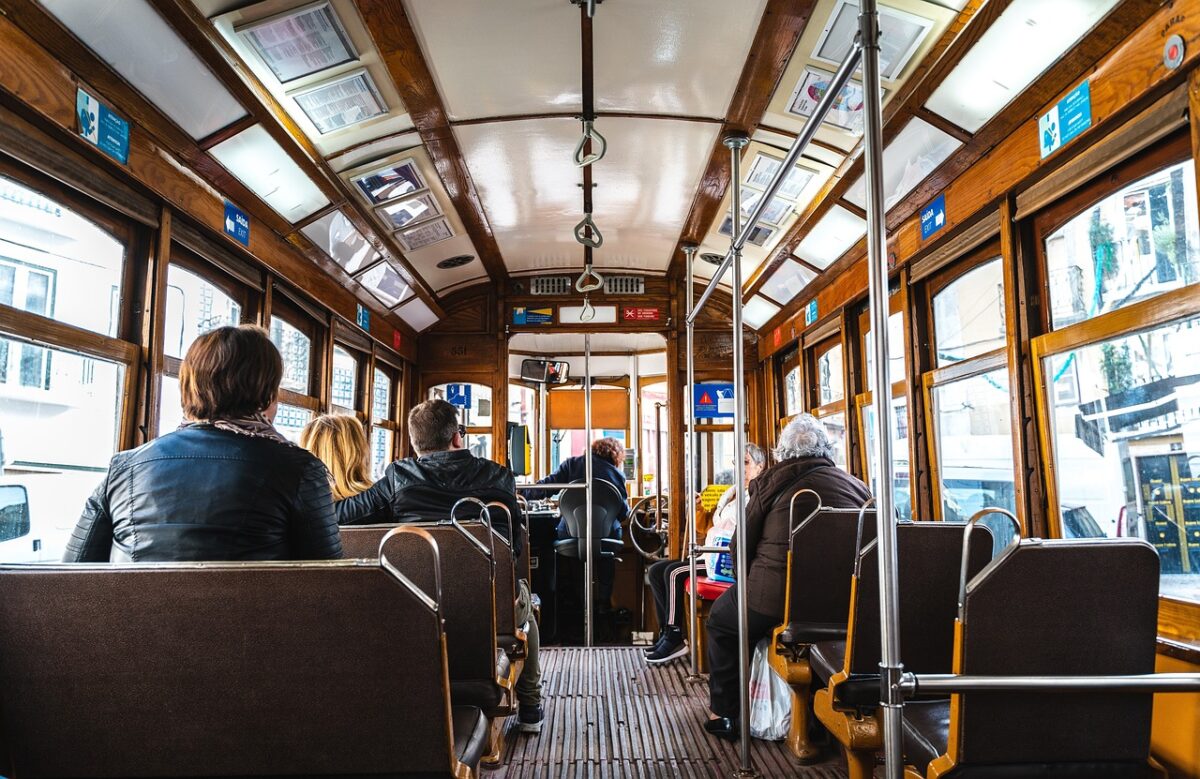
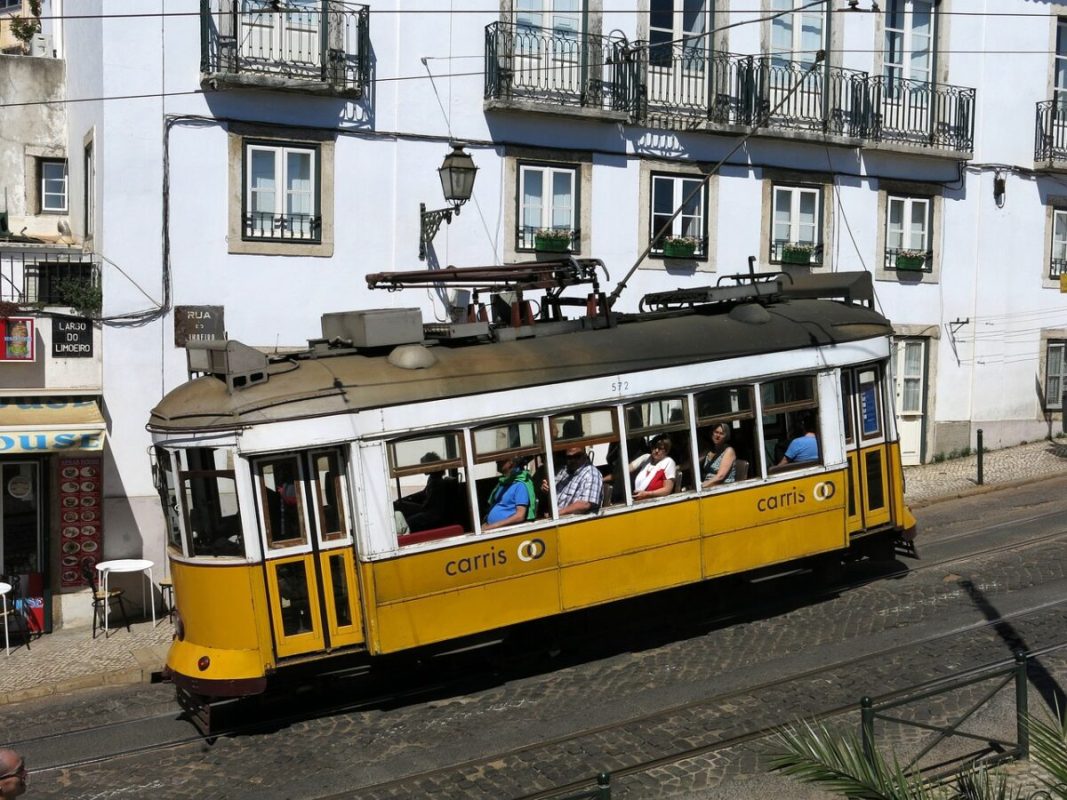

Tram 28 travels approximately 7 kilometers from start to end.
It uses Remodelado trams — vintage models still running since the 1930s.
Locals often prefer early mornings to avoid the crowds and enjoy a peaceful ride.
Many scenes from films and books set in Lisbon feature this very tram line.
